AI Readiness
Case study / Professional services / PwC
From expert dependency
to instant recall.
PwC consultants needed a faster way to find relevant insights from past NARM consultations without relying on manual searches or senior experts.
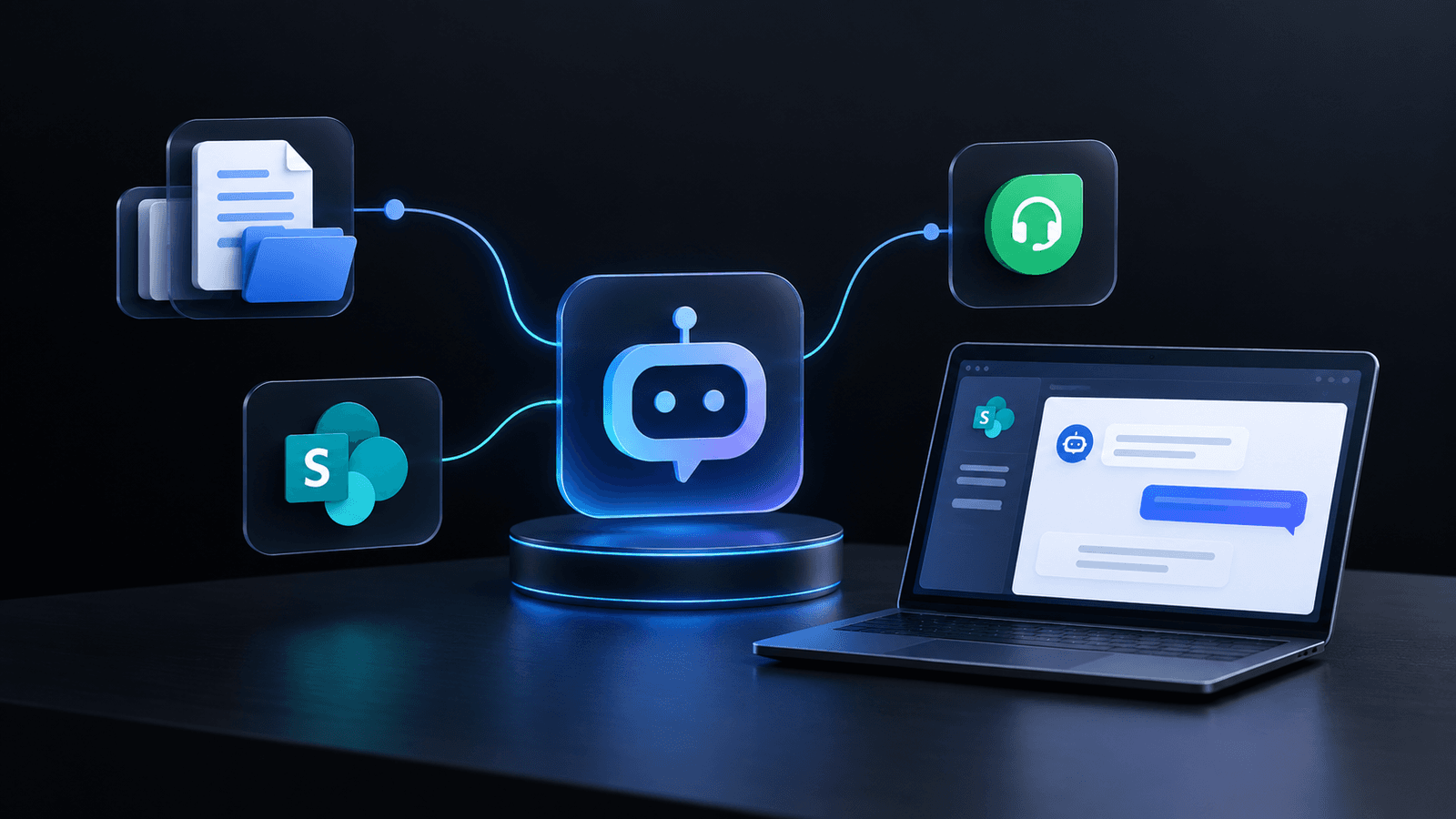
Athen built an AI knowledge assistant that makes historical consultation knowledge searchable through natural-language questions, with anonymisation and permission-aware access.

The challenge
The knowledge existed.
Finding it was the problem.
Past consultations contained potentially useful insights, but retrieving the right precedent could require manual searching or help from experienced colleagues. The challenge was to make that knowledge easier to access without compromising confidentiality.
- 01
Limited visibility
Historical consultation outcomes were difficult to discover across closed engagements.
- 02
Expert-dependent
Finding and interpreting previous guidance could require help from senior professionals and subject-matter experts.
- 03
Slow manual search
Locating relevant precedents across historical records could interrupt ongoing work.
- 04
Confidentiality first
Any solution needed to account for sensitive company, individual, client, and engagement information.
The solution
From closed consultations
to searchable knowledge.
Athen built an AI knowledge assistant that enables consultants to ask questions in natural language and retrieve relevant guidance from past NARM consultations.
Before
- Closed consultation records
- Manual searching
- Reliance on experienced colleagues
With the knowledge assistant
- Natural-language questions
- Searchable historical knowledge
- Relevant retrieved guidance
Instant precedent
Retrieve relevant insights from previous consultations through conversational questions.
Less routine expert dependency
Make existing knowledge easier to access without relying exclusively on experts for routine information retrieval.
More consistent knowledge reuse
Help consultants draw on relevant historical guidance when handling similar scenarios.
The knowledge workflow
Ask. Retrieve. Protect. Reuse.
- 01
Ingest and index
Closed NARM consultations are ingested, indexed, and made searchable.
- 02
Ask naturally
Consultants ask questions in everyday language.
- 03
Retrieve relevant knowledge
The assistant retrieves relevant information from the searchable knowledge base to help answer the question.
- 04
Anonymise sensitive details
Sensitive identifying details are masked before answers are shown, according to the supplied case-study description.
- 05
Respect access permissions
Role-based access control supports permission-aware information retrieval.
Editorial note: confirm the exact processing order with engineering before treating this as a precise map of the deployed architecture.
Confidentiality is built in
Useful knowledge.
Protected information.
Making historical knowledge searchable is only part of the challenge. The assistant also needs to account for the sensitive information contained in past consultations.
- Company names
- Individual names
- Client details
- Engagement references
Anonymisation
Helps mask sensitive identifying details before answers are shown.
Role-based access control
Supports access to information according to assigned user permissions and applicable policies.
Illustrative example with invented placeholder text.
The business value
More reusable knowledge.
Less routine searching.
The assistant is designed to make previous consultation insights easier to find and reuse, helping consultants access relevant guidance while reducing routine dependence on experienced colleagues.
Find information more easily
Ask questions conversationally instead of manually searching historical records.
Reduce routine expert dependency
Make existing knowledge more accessible for common information needs.
Reuse previous insights
Bring relevant historical guidance into new consultation scenarios.
Support confidentiality
Combine knowledge retrieval with anonymisation and permission-aware access.
These are intended outcomes as described in the case study. No measured time savings, accuracy rates, adoption figures or ROI have been supplied.
The technology
Built for enterprise knowledge retrieval.
Azure OpenAI
Supports the AI-powered conversational experience.
Retrieval-Augmented Generation (RAG)
Connects questions to relevant information retrieved from the knowledge base.
Anonymisation
Helps mask sensitive identifying details before answers are shown.
Role-Based Access Control (RBAC)
Supports permission-aware information access.
Make knowledge work harder
The answer may already exist.
Make it easier to find.
Athen helps organisations make existing knowledge more accessible through AI-powered retrieval designed around business context, confidentiality, and access requirements.
Explore AI Knowledge Management with Athen